
Best Thermal Spa Retreats in Europe
Where Ancient Waters Meet Modern Wellness
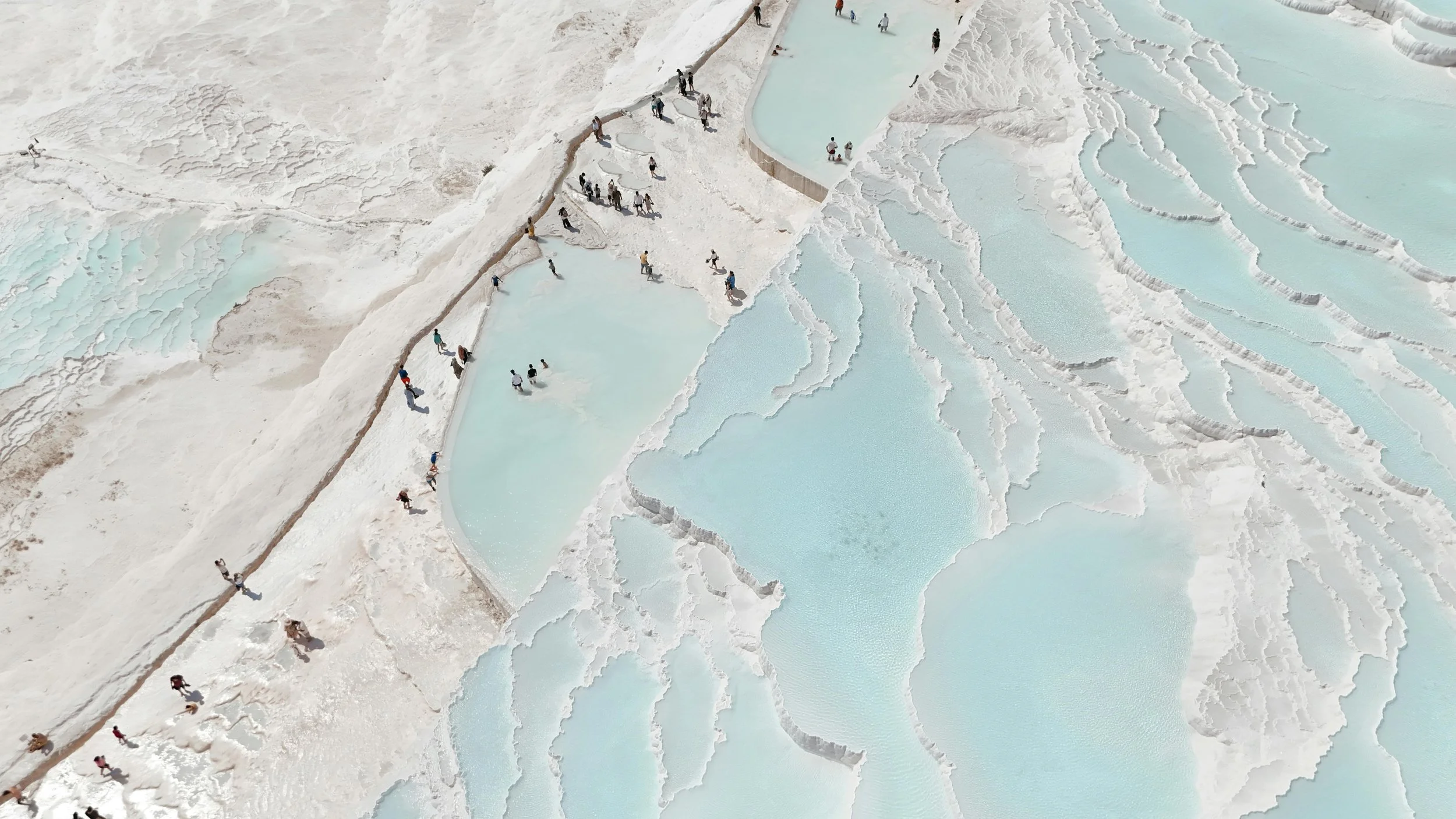
Europe's thermal springs have been healing travelers for millennia. From Roman emperors to modern wellness seekers, people have journeyed to these natural hot springs for their restorative mineral-rich waters and transformative effects on both body and mind.
Unlike standard spa hotels, true thermal retreats are built around natural geothermal springs—water heated deep within the earth and infused with minerals like sulfur, calcium, and magnesium. The result isn't just relaxation; it's genuine therapeutic benefit backed by centuries of use and modern research.
We've curated six exceptional thermal spa retreats across Europe, each offering something distinct—from minimalist Alpine architecture to historic Italian romance, volcanic island healing to Czech grandeur. These aren't just places to unwind; they're destinations where the earth itself provides the cure.
1. Terme di Saturnia – Tuscany, Italy
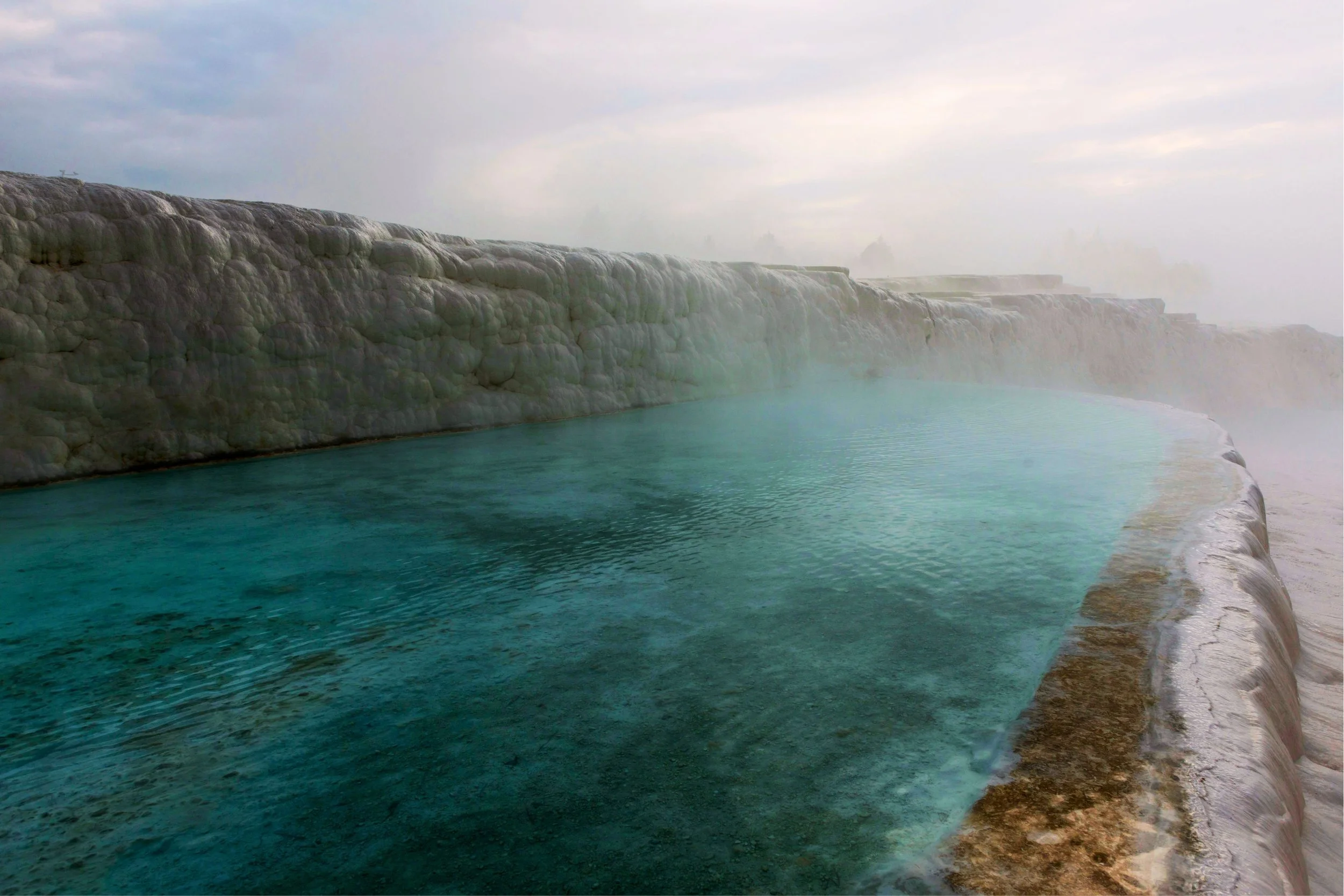
Some places exist before they have names. Saturnia's spring has flowed at exactly 37.5°C for over three thousand years — long before the Etruscans, long before the Romans who eventually built roads to reach it. The water emerges from volcanic fissures in the earth, cascades over white travertine terraces, and replenishes its pools completely every four hours. It has not stopped once.
The resort that sits above it today is five-star and unapologetically Italian — Michelin-level dining, cypress-shaded grounds, that particular quality of service that makes you feel both looked after and entirely left alone. But the thermal pools are the real architecture. In the morning, when mist rises off the water and the Tuscan hills are still half-dark, soaking here feels less like a spa treatment and more like something older.
The detail the brochure won't tell you: The free public cascade pools just outside the resort boundary are fed by the same spring. If you want the experience without the hotel, they're accessible to everyone, day and night. Arrive at dawn.
Best for: Couples. Anyone who needs beauty to do the work. Travelers who want thermal healing without surrendering pleasure.
Book when: Spring or autumn. Summer brings crowds to the public pools. Winter offers the magical contrast of warm water and cold Tuscan air, with the resort at its quietest.
2. 7132 Therme Vals – Vals, Switzerland
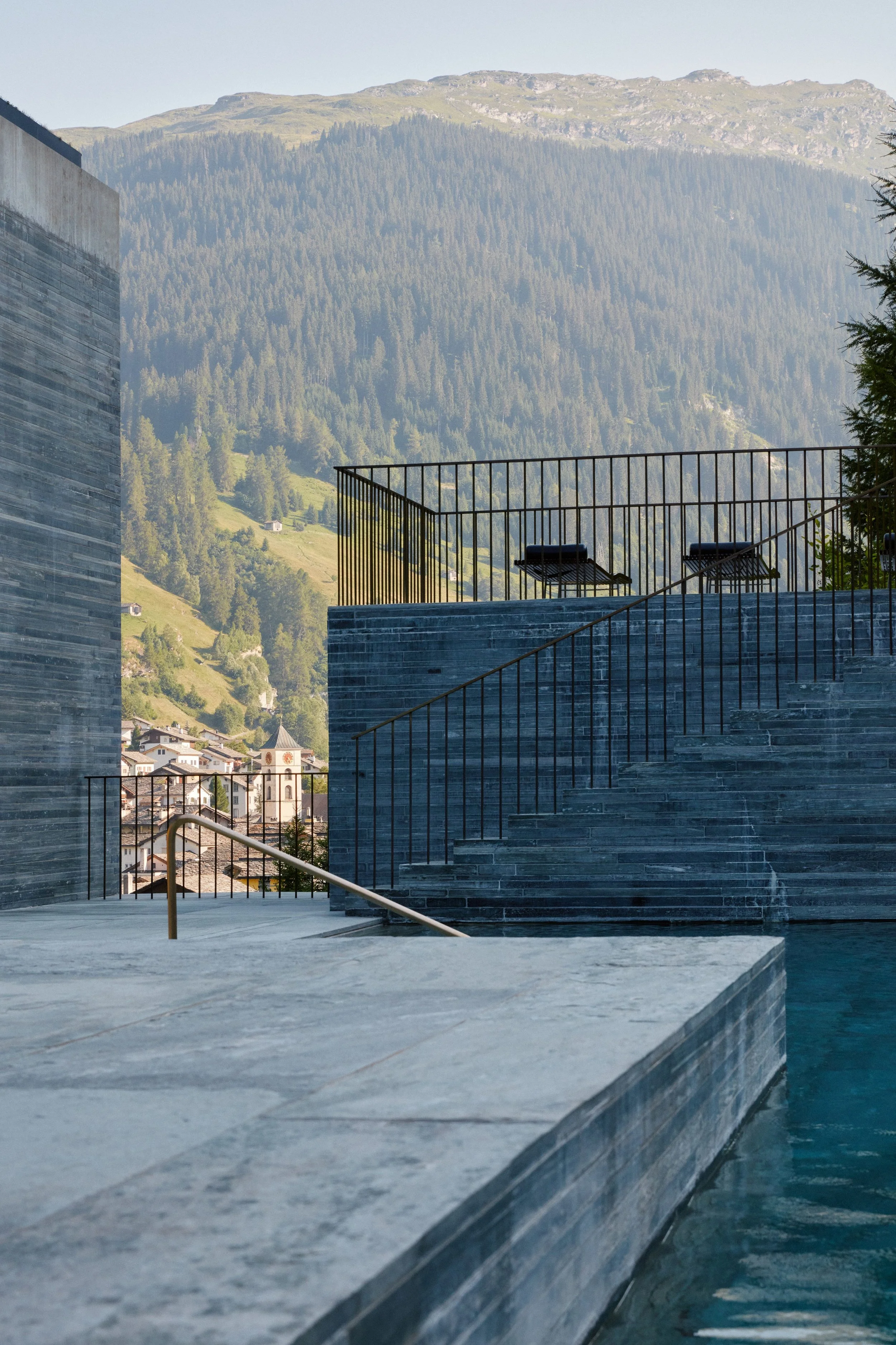
Photo: courtesy of 7132 Hotels
Peter Zumthor built this spa in 1996 using 60,000 slabs of local Valser quartzite. The stone was cut from the mountain the building sits inside. The thermal water — 30°C, rising from the Petersquelle spring directly below the floor — was already there. Zumthor's job, as he described it, was simply not to ruin what existed.
He didn't. The result is a series of chambers carved into the mountain: a flower bath, a fire bath, a sound bath, an ice bath, each one a different relationship between light and stone and water. The ceiling slots admit thin lines of daylight that move across the walls across the day. You don't look at this building — you inhabit it. The effect is not relaxing in any conventional sense. It is something closer to being rearranged.
The detail the brochure won't tell you: The spa admits a limited number of guests per session and the hotel fills months in advance. Book the thermal experience separately if the hotel is full — day passes are available, though limited.
Best for: Solo travelers. Design obsessives. Anyone who has been to too many spas that feel like hotel amenities rather than destinations.
Book when: Any season — the interior experience is entirely independent of weather. Winter, when the mountain above is under snow, adds a particular atmosphere to the stone chambers below.
3. Grand Resort Bad Ragaz – Bad Ragaz, Switzerland
The thermal water at Bad Ragaz has been flowing since the 13th century, when monks discovered it in the Tamina Gorge and had no idea what to do with it. They eventually piped it seven kilometres to the town. Today it feeds one of Europe's most established medical spa resorts — a place that takes the therapeutic seriousness of thermal water as seriously as any institution in Europe.
This is not a weekend-trip spa. Bad Ragaz employs physicians. Guests come for week-long programmes addressing specific conditions — cardiovascular health, musculoskeletal recovery, nervous system regulation. The water emerges at 36.5°C with a mineral composition that has been studied for over a century. Alongside this, there is championship golf, two Michelin-starred restaurants, and the kind of Swiss precision in service that makes everything feel quietly inevitable.
The detail the brochure won't tell you: The medical centre is genuinely accessible to regular guests, not just those on full programmes. A consultation with one of the resort physicians costs less than you'd expect and will give you a personalised thermal therapy plan for your stay.
Best for: Travelers who want thermal treatment to mean something. Golfers. Anyone requiring excellent accessibility — Bad Ragaz leads Europe on this.
Book when: Year-round. The indoor facilities mean season is irrelevant, though the surrounding Rhine Valley is particularly beautiful in late spring.
4. Thermae Bath Spa — Bath, United Kingdom
The Romans arrived in Britain in 43 CE and discovered, within a generation, that the ground at Bath was producing hot water. They built a temple. Then a bathing complex. Then more temples. The water — rising from 3,000 metres underground, carrying 43 minerals accumulated over a 10,000-year journey through limestone — has not changed since. Only the buildings around it have.
Thermae Bath Spa's rooftop pool is the contemporary expression of all of this: 33.5°C mineral water, open to the sky, looking directly at Bath Abbey and the Georgian roofline of a UNESCO World Heritage city. It is one of those rare travel experiences that delivers on the image — the reality is as good as the photographs. Below the rooftop, steam rooms are infused with local herbs, and the historic Roman Baths complex is a five-minute walk for those who want to understand what they're swimming in.
The detail the brochure won't tell you: Book the rooftop pool session for early morning or late evening — the light is better, the crowds are thinner, and there is something about being in 2,000-year-old water before the city wakes up that stays with you.
Best for: History as a physical experience. City-break travelers. Anyone who has stood outside a beautiful place and wanted to be inside it — this is Bath, from the inside.
Book when: Any season. Winter is particularly atmospheric. Book well ahead; weekend sessions sell out weeks in advance.
5. Karlovy Vary – Czech Republic
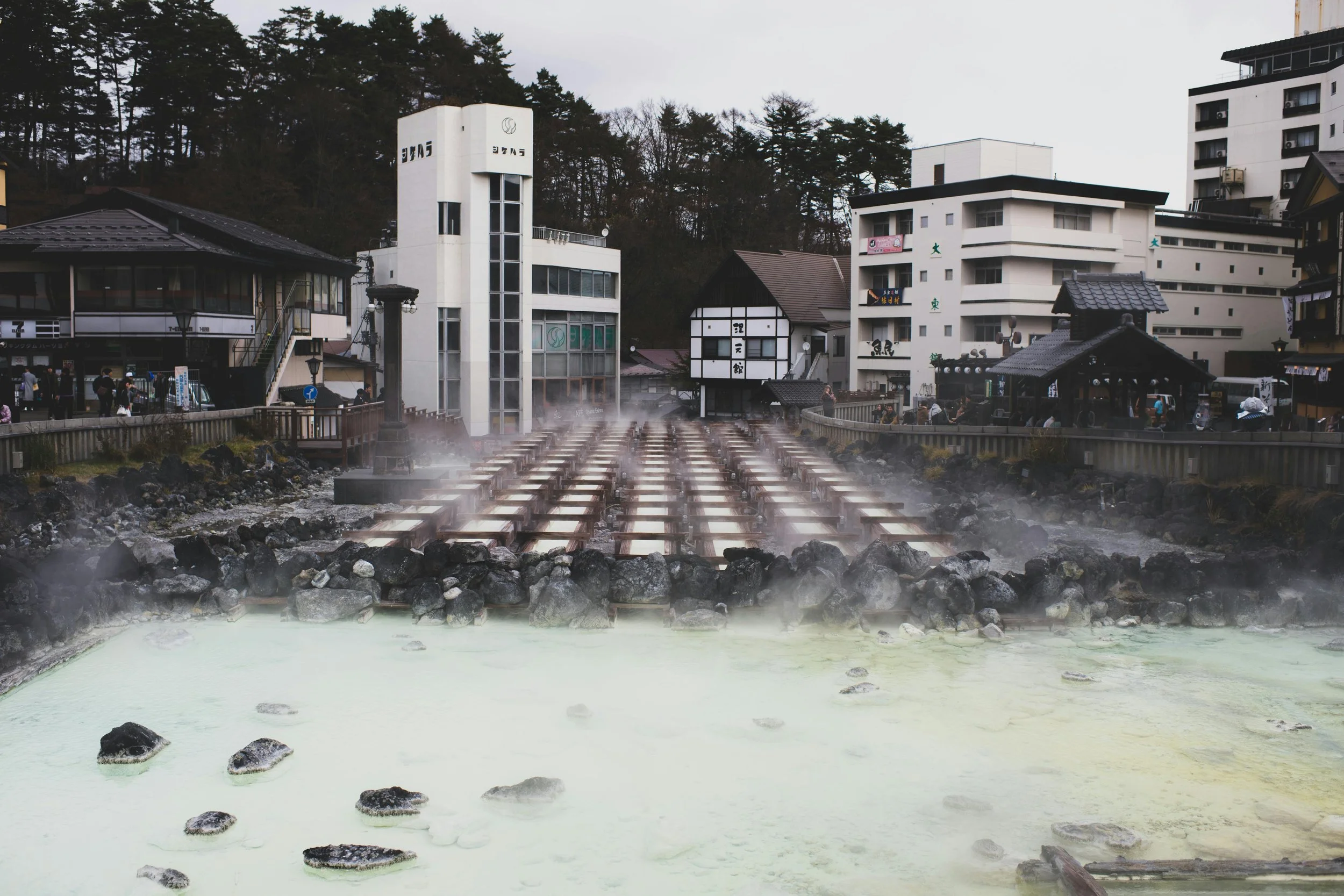
“The ritual of taking the waters here is unhurried and social in a way that feels genuinely different from modern wellness culture.“
Karlovy Vary is not a hotel. It is a town that has organised its entire existence around thermal water. Fifteen springs emerge throughout the town, each with a different temperature and mineral composition — from 30°C to 72°C — each attributed, in the traditional Czech spa culture, to specific therapeutic purposes. You drink some of them. You bathe in others.
The ritual of taking the waters here is unhurried and social in a way that feels genuinely different from modern wellness culture. Guests stroll the ornate colonnades with their porcelain drinking cups, stopping at each spring in the prescribed sequence. The architecture around them is Neo-Renaissance and Art Nouveau, built for the European aristocracy who made Karlovy Vary their preferred cure-town in the 18th and 19th centuries. The luxury hotels — the Grandhotel Pupp, the Imperial, the Savoy — are still there, still grand.
The detail the brochure won't tell you: The drinking cure is not optional ambiance — it's the point. Commit to it. Get a traditional drinking cup from one of the colonnades (they're sold everywhere), follow the spring sequence, and spend three days doing very little else. It is deeply restorative in ways that are difficult to explain afterward.
Best for: Travelers who want immersion over amenity. Slow travel. Anyone who suspects that wellness might have been better understood a century ago.
Book when: May to September for the warmest colonnades. The Dvořák film festival in July brings energy to the town. Winter is quieter and genuinely atmospheric.
6. Octant Furnas – São Miguel, Azores, Portugal
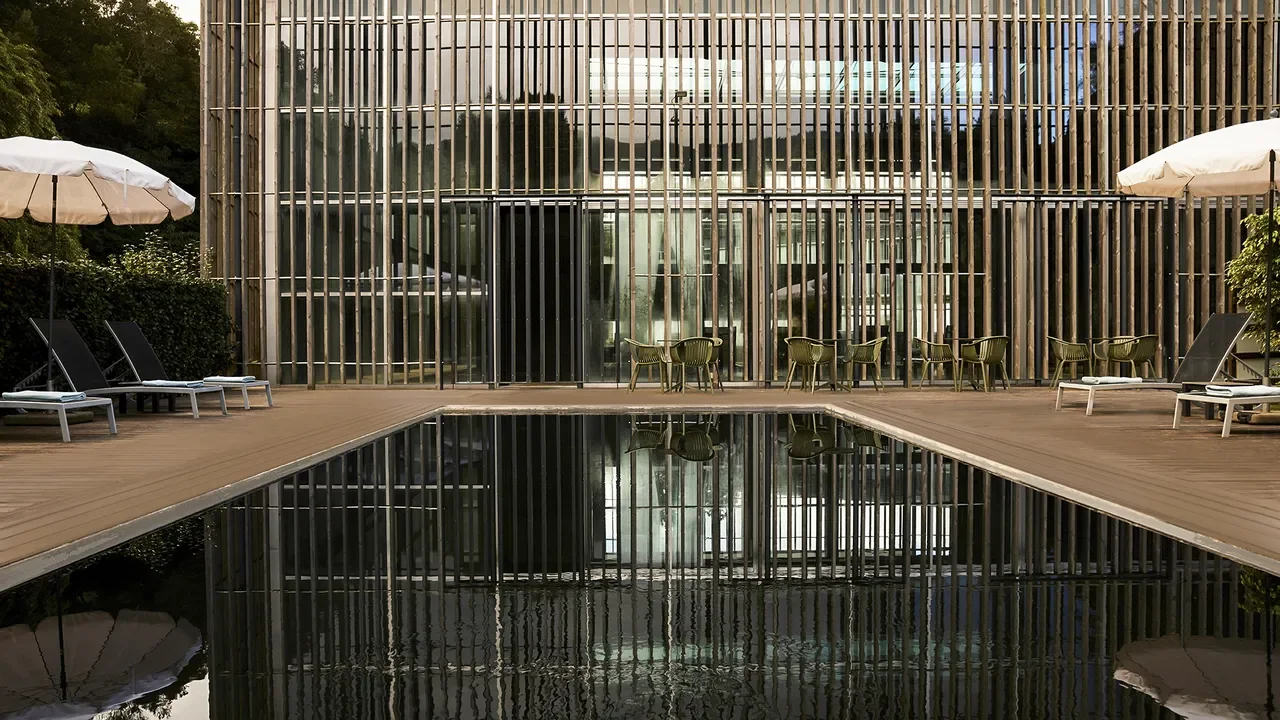
Photo: courtesy of Octant Furnas Hotel
The Azores sit in the middle of the Atlantic on a fault line, and São Miguel sits on a volcano that has not decided to be finished. The landscape around Furnas shows this clearly: crater lakes, fumaroles venting steam from the earth, thermal pools tinted orange with iron and white with sulphur. The cozido — the traditional stew — is cooked underground in volcanic heat. The earth here is doing work.
Octant Furnas channels this into a contemporary design hotel that takes the volcanic surroundings seriously — hydrotherapy circuits, volcanic stone treatments, therapies using local ingredients, and thermal pools fed directly by the island's geothermal activity. The water is unlike anything on the continental thermal circuit: wilder, more varied, smelling of the earth in ways that make you aware you are somewhere genuinely unusual.
The detail the brochure won't tell you: The public thermal pools at Terra Nostra Garden, a five-minute walk from the hotel, are extraordinary and cost almost nothing to enter. The garden itself — 200-year-old trees, exotic plants, that iron-tinted thermal pool at the centre — is worth the trip independently.
Best for: Travelers who want something that doesn't feel like anywhere else. Island wellness. Anyone willing to trade the familiar for the extraordinary.
Book when: April to June or September to October. Summer is warm and busy; winter brings dramatic Atlantic weather that suits the landscape but limits outdoor time.
How to Choose Your Thermal Spa Retreat
Consider the water: Different thermal springs have different mineral compositions. Sulfur-rich waters (like Saturnia) are excellent for skin conditions. Calcium-rich springs help with musculoskeletal issues. Research what your chosen retreat's waters are known for.
Match the vibe: Are you seeking minimalist meditation (Vals), grand luxury (Bad Ragaz), historic charm (Bath), old-world glamour (Karlovy Vary), romantic escape (Saturnia), or exotic adventure (Furnas)? Each offers thermal healing, but the experience varies dramatically.
Check accessibility: Some thermal retreats require significant mobility (Vals has many stairs). Others, like Bad Ragaz, have excellent accessibility features. Consider your physical needs.
Season matters: Most thermal springs are year-round, but outdoor pools in winter (especially in Switzerland or the Alps) offer the magical experience of hot water in cold air. Summer means combining thermal therapy with hiking or cultural exploration.
Find Your Perfect Thermal Escape
The right thermal retreat is less about the facilities and more about what you need.
If you need beauty to do the work — Saturnia. If you need silence and architecture — Vals. If you need therapeutic seriousness — Bad Ragaz. If you need history you can feel — Bath. If you need a way of life, not just a spa — Karlovy Vary. If you need something that doesn't feel like anywhere else — Furnas.
All of them offer thermal water. Only one of them will be right for where you are right now. These places fill well in advance, particularly in shoulder season.
All properties featured on Elsewhere are selected on editorial merit. Some links are affiliate links — if you book through them, we may earn a small commission at no cost to you. We only feature places we would genuinely recommend. Full disclosure here.