Five Secluded Mountain Lodges in the Dolomites Worth the Journey
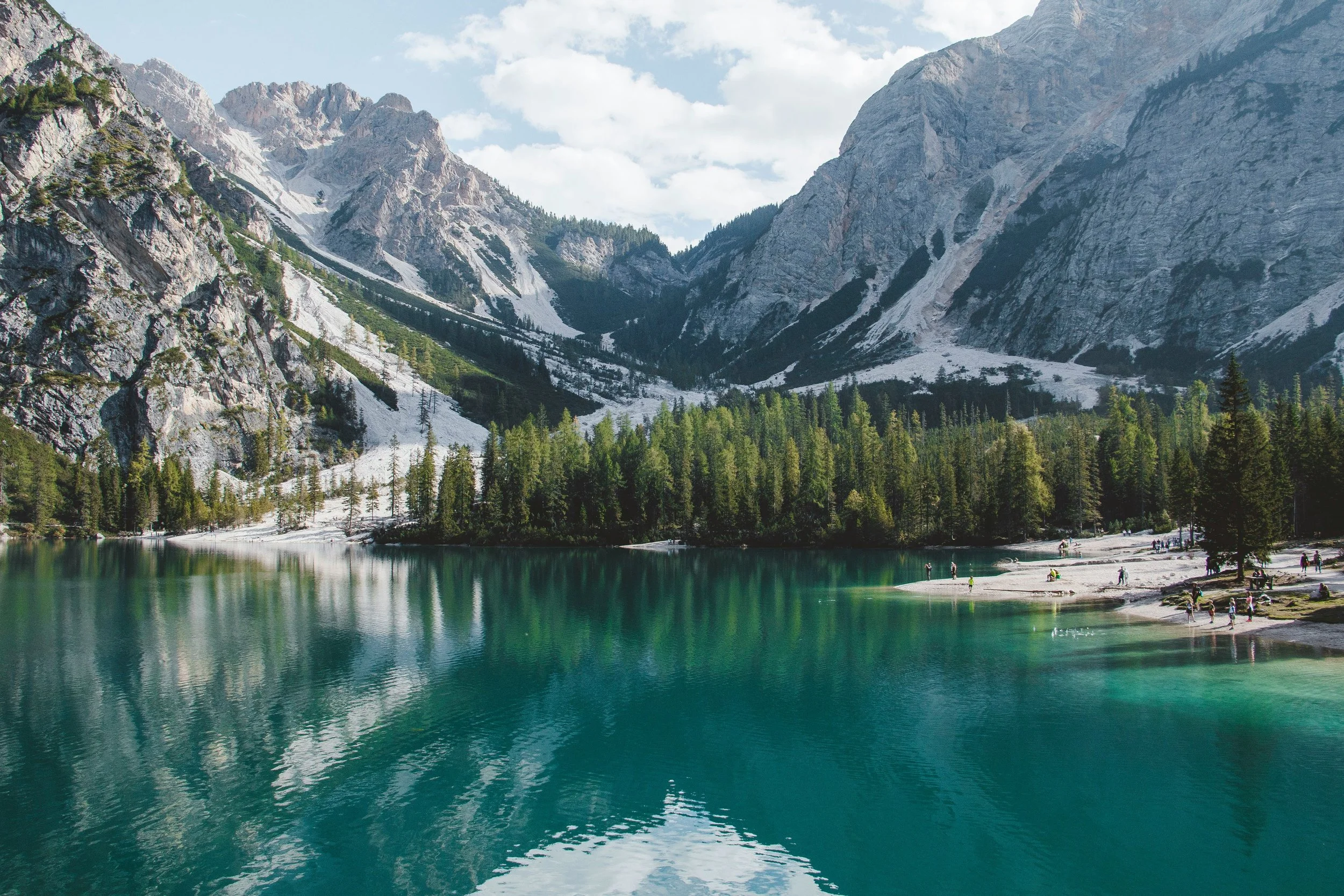
The Dolomites do something to the light. At dusk, the pale rock turns rose, then amber, then a deep burning copper — a phenomenon the Ladins call enrosadira, the act of turning rosy. It lasts perhaps twenty minutes. Locals still stop what they are doing to watch it.
This is a landscape that rewards presence. Not the hurried kind — the kind where you are somewhere long enough for the mountains to stop feeling like a backdrop and start feeling like the point. The lodges below understand this. They are not mountain hotels that happen to be in the Dolomites. They are places built specifically around the experience of being here, in this particular light, at this particular altitude.
Forestis — Bressanone, South Tyrol
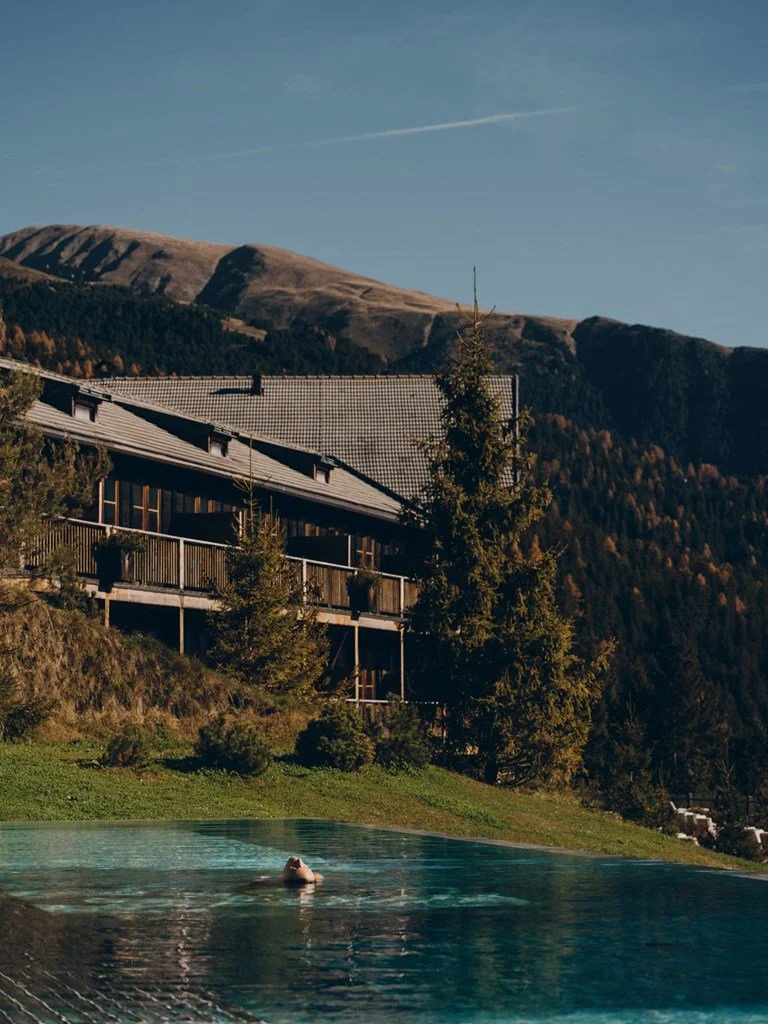
Photo:courtesy of Forestis — Bressanone, South Tyrol
In 1912, the Austro-Hungarian Empire commissioned a sanatorium on the slopes of Mount Plose — a place of cure, built at 1,800 metres where the air was considered medicinal and the spring water pure enough to heal. The project was abandoned when war arrived and the world changed. The building sat, unfinished, for nearly a century.
What stands there now is one of the most considered hotels in the Alps. Forestis opened in 2020, designed by South Tyrolean architect Armin Sader around the original historic structure: three sculptural wooden towers rising beside it, each one built from local spruce and dolomite stone, each one oriented toward the mountain panorama. From every suite, through floor-to-ceiling glass, the UNESCO peaks of the Odle group stand in uninterrupted view. Nothing else does.
The spa draws its philosophy from the Celts, who are thought to have used this particular forest for healing centuries before the Habsburgs arrived. Treatments involve local woods, healing herbs, and a practice called Wyda — the yoga of the Celts — practiced in a room furnished entirely in wood, glass, and stone. The pool uses spring water from the Plose mountain directly below the building. At its best, bathing here feels less like a hotel amenity and more like a continuation of what the land has been doing for a long time.
The detail the brochure won't tell you: The rooftop bar is the highest in the world and serves cocktails made from spruce needles, larch bark, pine resin, and fir. Each one is designed around a specific Alpine tree and its documented medicinal properties. Order the Zirbe — stone pine, whisky, and beetroot. It tastes like the mountain smells.
Best for: Those who want complete withdrawal. The sense of isolation at Forestis is total — the forest road that leads here carries almost no other traffic, and the adults-only policy means the silence is real.
Book when: Summer for hiking directly from the hotel onto Plose; winter for skiing to the door and the particular atmosphere of deep snow pressing against the glass. Book well ahead — the tower suites sell out months in advance.
Vigilius Mountain Resort — Lana, South Tyrol
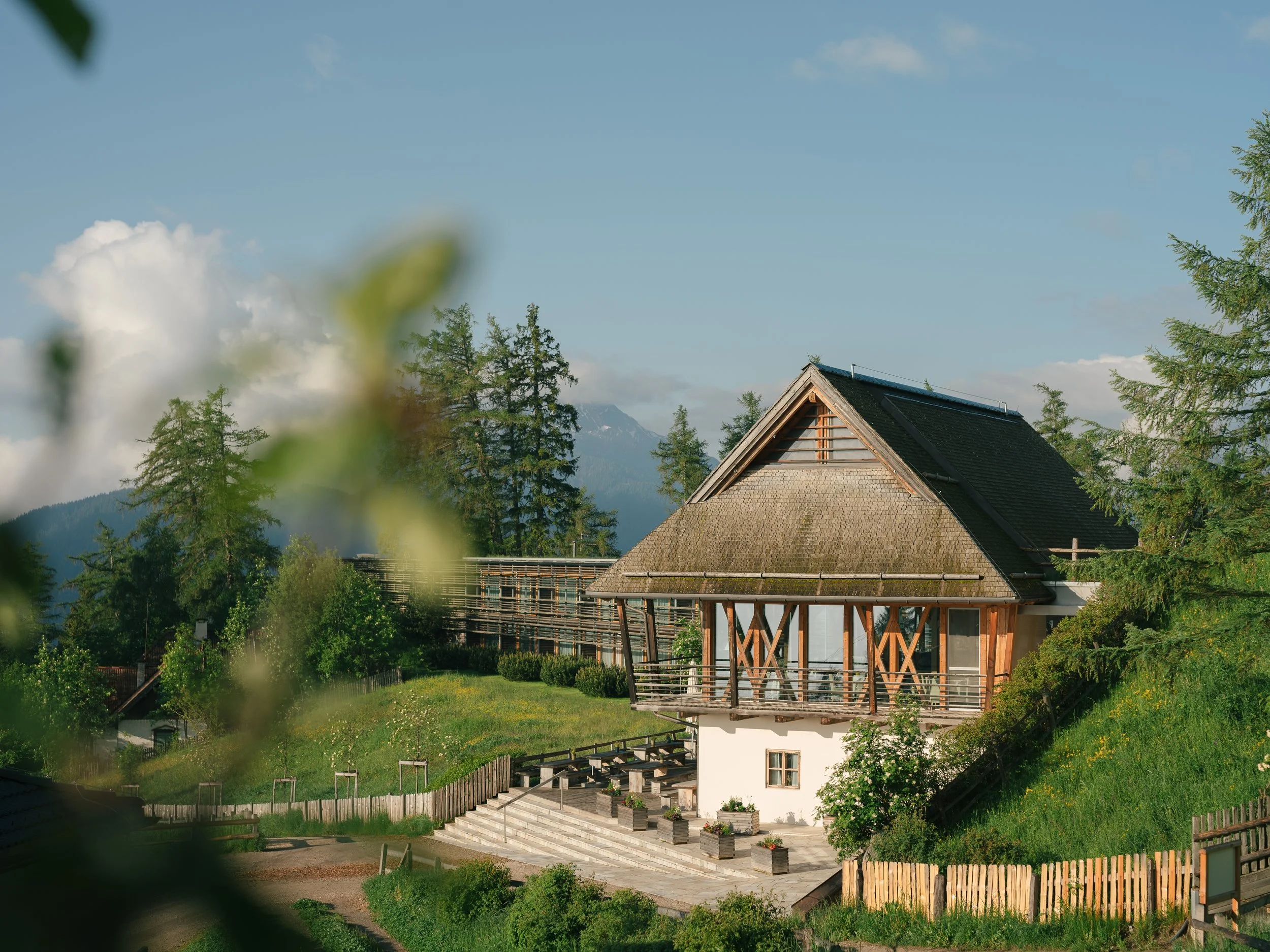
Photo: courtesy of Vigilius Mountain Resort — Lana, South Tyrol
There is no road to Vigilius. You leave your car in the valley, board a cable car above the village of Lana, and seven minutes later the valley disappears beneath you. What arrives in its place — at 1,500 metres, through the cable car doors — is the Vigiljoch plateau: meadows, larch forest, cowbells, and a building that looks as though it grew from the ground.
Architect Matteo Thun designed Vigilius in 2003 around a single philosophy: eco, not ego. The building is clad in larch and stone, heated entirely by local biomass, and has A-class climate certification. Its 41 rooms face either the Dolomites or the Val d'Ultimo — the so-called Last Valley — through glass walls that make the outside feel perpetually reachable. Natural clay walls separate sleeping areas from bathrooms, and are heated internally in winter. The effect is that warmth comes from the walls, from the stone, from the mountain itself rather than from a radiator.
The spa offers a local specialty that is difficult to find elsewhere in quite this form: a hay bath. You lie in freshly cut Alpine hay, warmed to body temperature. The hay contains dozens of wild Alpine herbs — meadowsweet, gentian, arnica — and the heat releases them. It sounds unusual. It is deeply effective.
The detail the brochure won't tell you: Vigilius turns off the WiFi at 11pm every night, without exception. It is presented as a feature, not an inconvenience. After the first night, most guests agree.
Best for: Anyone who wants the mountains to do the work. Vigilius is not a hotel you fill with activities — it is a hotel where the discipline is doing less.
Book when: June through September for wildflower meadows and hiking in the larch forests. February and March for snowshoeing and the full alpine winter without the ski resort crowds. The Bolzano airport is twenty minutes away — easier to reach than most Dolomites properties.
Adler Lodge Ritten — Renon Plateau, South Tyrol
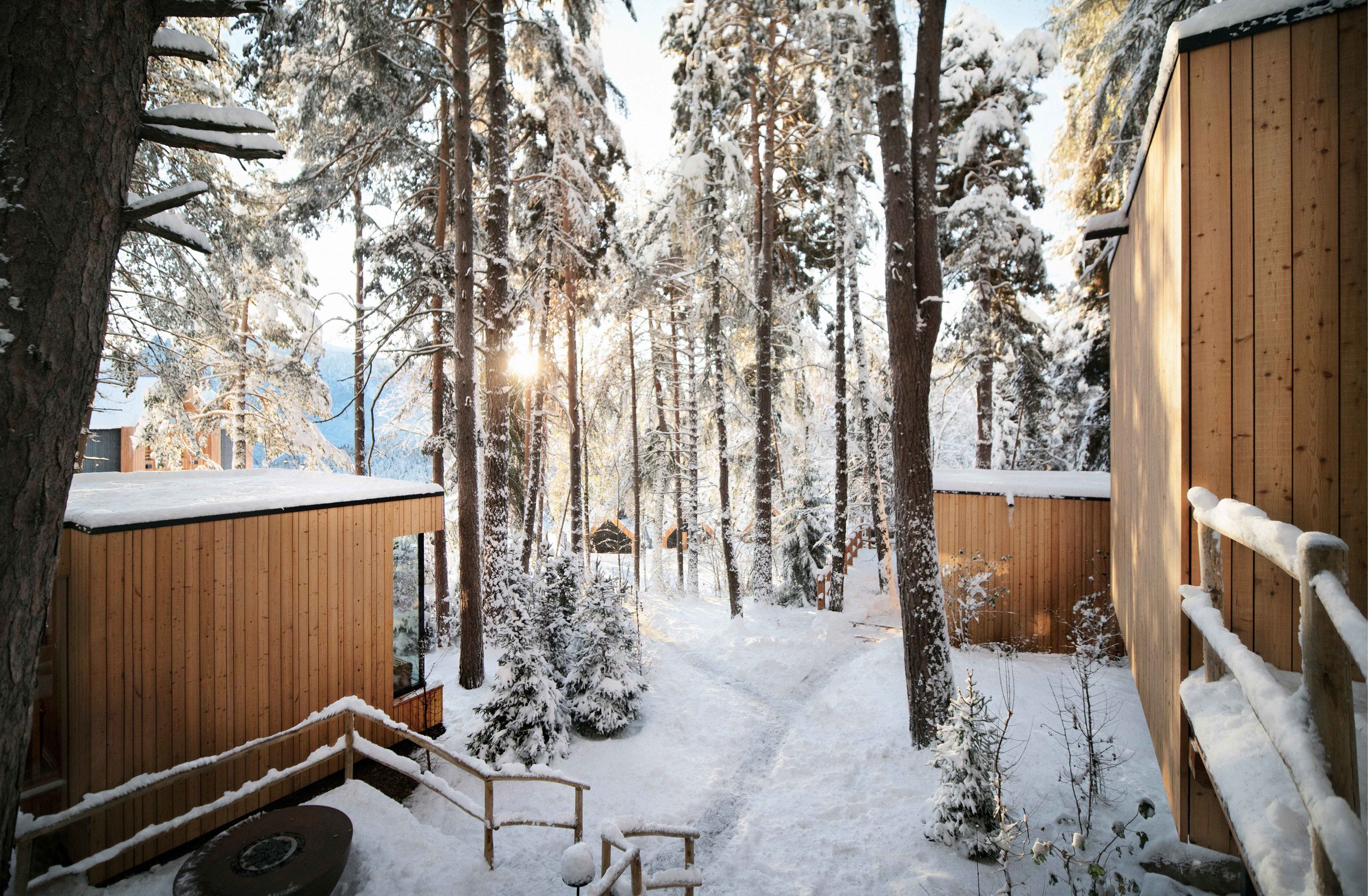
Photo: courtesy of Adler Lodge Ritten — Renon Plateau, South Tyrol
Sigmund Freud came to the Renon plateau in the summer of 1900 and wrote to Carl Jung that it was, simply, beautiful here. There is a promenade that still bears his name, running through larch forests from the village of Oberbozen toward the lodge. The view it commands — the Dolomites spread across the southern horizon, the Rosengarten and Latemar massifs catching every available light — is unchanged from what he would have seen.
The Adler Lodge sits in a forest clearing on this plateau at 1,200 metres, built from natural larch and glass in a series of individual chalets and suites arranged around a saltwater infinity pool. The pool is heated year-round and faces the mountains directly — the geometry of it is deliberate, so that the water appears to end at the Dolomites themselves. Private chalets come with open fireplaces, bio-saunas, and terraces looking into the forest. Two further saunas are hidden in the woodland beyond the main building.
You do not need a car here. The historic Renon narrow-gauge railway — built in 1907 to carry Bolzano's wealthy to their summer retreats — stops 200 metres from the front door. It connects to a gondola down to Bolzano in twelve minutes. The entire stay can be conducted without once touching a road.
The detail the brochure won't tell you: The lodge operates on a full all-inclusive arrangement — breakfast, lunch, afternoon cakes, gourmet dinner, and all drinks including aperitifs, wines, and cocktails. At the price point, this is exceptional value. Factor it into the comparison when booking.
Best for: Those who want luxury without the performance of it. Adler Lodge is quiet, grounded, and genuinely unpretentious — the all-inclusive format means there are no decisions to make, and no bills arriving to remind you of the outside world.
Book when: Late spring and early autumn for warm days, clear air, and the plateau at its most serene. The Christmas period for the gondola down to Bolzano's market, considered one of Italy's finest.
Lefay Resort & SPA Dolomiti — Pinzolo, Trentino
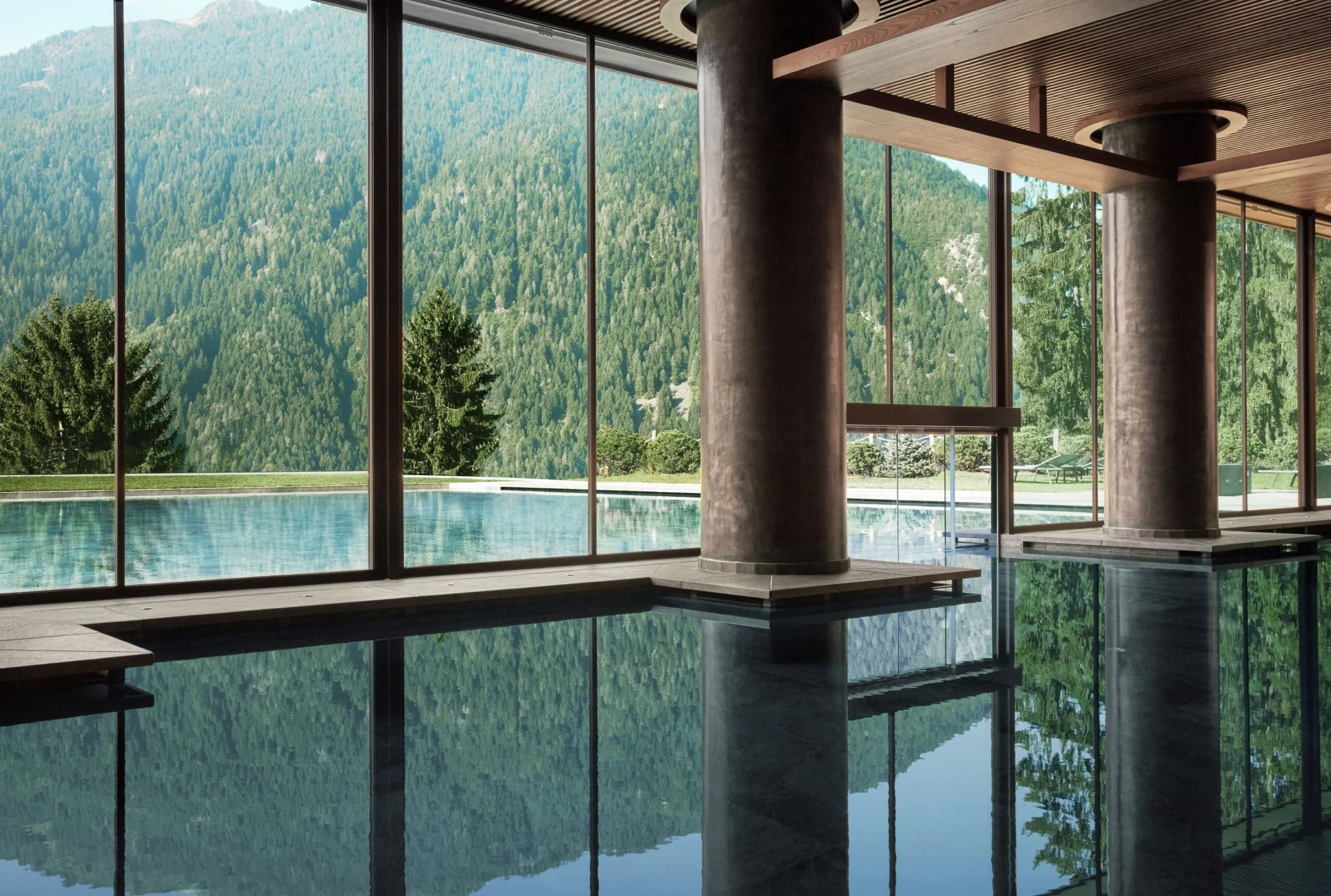
Photo: courtesy of Lefay Resort & SPA Dolomiti — Pinzolo, Trentino
The western Dolomites around Madonna di Campiglio operate at a different scale to the South Tyrol lodges. Lefay's spa covers 5,000 square metres across four floors — among the largest wellness areas in the Alps — and the property sits above the Rendena Valley in a position that frames the Brenta Dolomites on one side and the Presanella glacier on the other. In winter, the snowpack here is exceptional. In summer, the meadows below the glaciers are what wildflower illustrations in botanical texts aspire to.
The resort's philosophy is ecological in a structural sense — it is fully certified, designed around minimising impact, and the building's relationship with its surroundings is considered at every level. The Lefay Spa Method draws on both Eastern and Western traditions, organised around a therapeutic circuit that moves guests through different environments: saunas, steam rooms, a salt grotto, phytotherapy baths, and a panoramic pool that faces the mountains through glass walls. The Michelin-starred restaurant Grual takes its name from the mountain behind the resort and builds its menus from three altitudes — high mountain, alpine pastures, and valley floor — changing entirely with the seasons.
The detail the brochure won't tell you: Summer inclusion is exceptional here. Daily guided activities — hiking, mountain biking, Nordic walking — are included in the room rate from June through September. For those who want to be in the mountains rather than simply looking at them, this changes the value calculation considerably.
Best for: Those who want scale without sacrificing intimacy. The resort is larger than the other properties on this list, but the design and the views absorb it. Ideal for those who want every wellness facility available, plus access to serious hiking terrain.
Book when: January and February for powder skiing at Madonna di Campiglio; July for the alpine wildflowers and included activities. The shoulder seasons — May and October — offer dramatic light, smaller crowds, and the mountains in transition.
Aman Rosa Alpina — San Cassiano, Alta Badia
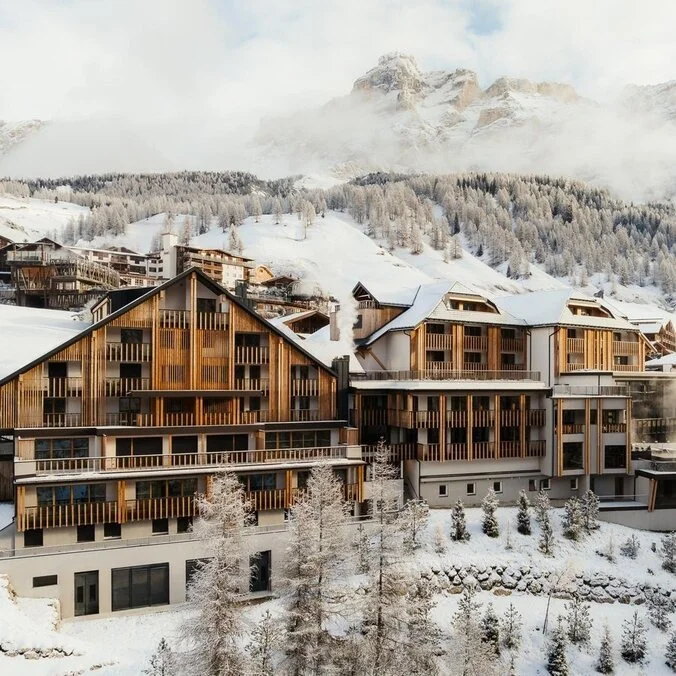
Photo: courtesy of Aman Rosa Alpina — San Cassiano, Alta Badia
The Pizzinini family ran the Rosa Alpina in San Cassiano for three generations before Aman arrived. What they built — the warmth of the place, the quality of service, the sense that a family home had been opened to guests — is something Aman rarely inherits when it takes over a property. Here, it did. The bones of the old Rosa Alpina are still present in how the hotel moves and breathes, even after the renovation that transformed it into something more architecturally ambitious.
The building now rests beneath the peaks of Lavarela and Conturines at 1,537 metres, its timber, stone, and metal façade designed by Jean-Michel Gathy to echo the Dolomite landscape rather than impose upon it. The Aman Spa has three pools and seven treatment rooms, with therapies drawn from the mountain itself — Alpine herbs, local stone, the thermal properties of altitude. But the real architecture here is the setting: San Cassiano sits at the heart of Alta Badia, one of the most beautiful valleys in the UNESCO Dolomites, and the hotel's gondola provides direct access to the Dolomiti Superski domain — 1,200 kilometres of connected slopes, the largest ski area in the world.
The detail the brochure won't tell you: The Ladin culture of Alta Badia is distinct from both Italian and Austrian Tyrolean culture — it is its own thing, with its own language, its own cuisine, and its own relationship to the mountains. The hotel's staff are largely from the valley. Ask them about the Ladin traditions, the local ingredients, the mountains they grew up in. This is the layer of a place that no brochure can contain.
Best for: Those who want the full Dolomites experience — beauty, culture, serious skiing or hiking, and Aman-level service — in one property. The most complete option on this list.
Book when: December through March for skiing the Alta Badia circuit; June through September for hiking the Dolomiti Superski trails without the lifts. The Sella Ronda — a 26-kilometre loop through four mountain passes on foot — is accessible directly from the hotel in summer.
How to Choose
Each of these lodges offers the Dolomites. What they offer differently is how you inhabit them.
If you want total withdrawal in extraordinary architecture — Forestis. If you want the mountain without the noise of reaching it — Vigilius. If you want the slow life of the plateau, with no car and no decisions — Adler Lodge Ritten. If you want scale, wilderness, and the Alps' finest spa — Lefay. If you want Aman serenity at the heart of Alta Badia — Aman Rosa Alpina.
The Dolomites have been turning rose at dusk for 250 million years. You have, at most, a few days. Choose the lodge that puts you in the best possible position to watch it.
All properties featured on Elsewhere are selected on editorial merit. Some links are affiliate links — if you book through them, we may earn a small commission at no cost to you. We only feature places we would genuinely recommend. Full disclosure here.